Best AI Overview Tracking Tools in 2026: Google AI Overviews and AI Mode Trackers Compared
Which tools track Google AI Overviews and AI Mode, what each one measures, and what they cost.

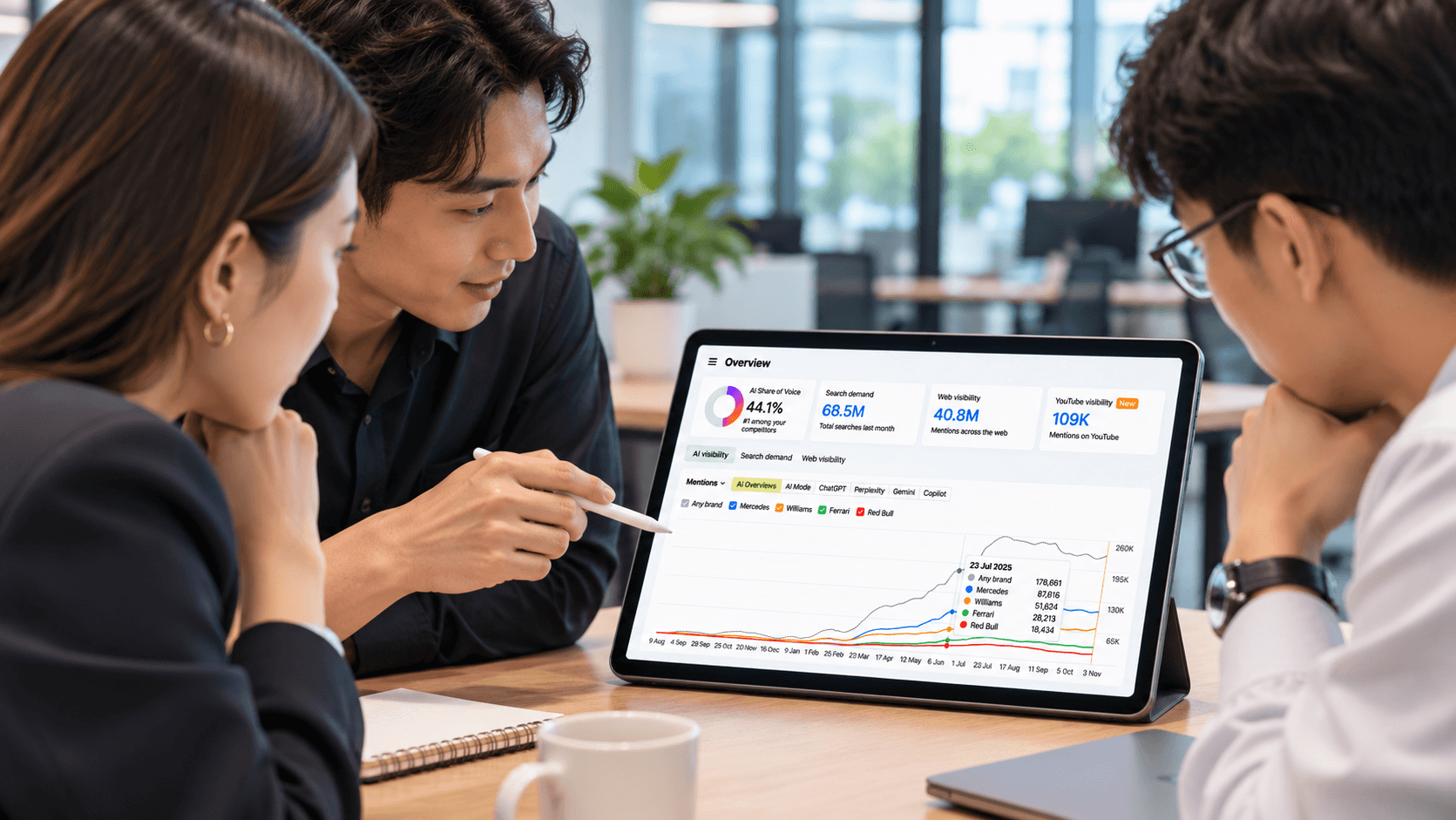
Start with Google Search Console's free generative AI performance report. It counts how often your pages appear in AI Overviews and AI Mode. Pay for a tracker only if you need the searches behind those numbers or want to compare yourself with competitors. SE Ranking and Semrush track keywords. Peec AI and Otterly.AI track prompts.
That is the short version. The longer one matters because the tools on the market measure different things. Some check a list of Google keywords every day and record whether an AI Overview appears and who it cites. Others type full questions into AI Mode, ChatGPT and Gemini and count how often your brand turns up in the answers. Some do both. The prices below come from each vendor's own pricing page, checked on 11 November 2026, and they will change. If you would rather we did the tracking for you, it is part of our GEO and AEO service.
Which AI Overview tracking tool should you use?
Use Search Console first, then pick a paid tool based on what you need. A keyword tracker such as SE Ranking or Semrush suits you if you already track Google rankings. A prompt tracker such as Peec AI or Otterly.AI suits you if you care about questions buyers ask across Google and ChatGPT.
Tool | How it tracks | Google AI coverage | Entry price (checked 11 Nov 2026) | Best for |
|---|---|---|---|---|
Google Search Console | Google's own impression data for your pages | AI Overviews and AI Mode, reported together | Free | Every website |
SE Ranking | Keywords, plus a set of daily prompts | AI Overviews Tracker and AI Mode Tracker | US$129 a month, or US$103.20 a month billed annually | Small teams that want rankings and AI tracking in one tool |
Semrush | Keywords in Position Tracking, plus prompts | AI Overviews as a tracked search feature; AI Mode prompts on AI plans | US$139 a month for SEO; US$199 a month for SEO + AI Search | Teams already using Semrush |
Ahrefs Brand Radar | A ready-made index of AI answers, plus your own prompts | AI Overviews and AI Mode in both | Five daily prompts included from Lite (US$129 a month); AI Visibility Index from US$199 a month | Benchmarking against competitors with no setup |
Peec AI | Prompts | AI Overviews and AI Mode among three chosen models | US$95 a month | Marketing teams tracking buyer questions |
Otterly.AI | Prompts | AI Overviews and AI Mode among four of seven engines | €29 a month | Testing prompt tracking on a small budget |
Profound | Prompts | AI Overviews on the trial; AI Mode on Enterprise | Free seven-day trial; Enterprise priced on request | Large brands |
At Plexial, we use Google Search Console, Semrush, Ahrefs and our own proprietary tracking tool to monitor search performance and AI visibility. Google Search Console helps us analyse clicks, impressions and search queries, while Semrush and Ahrefs provide insights into keyword rankings, AI search visibility and competitor performance. Our proprietary tool complements these platforms by supporting AI visibility monitoring and client reporting. By combining these tools, we gain a more complete understanding of how businesses perform across traditional Google Search and AI-powered search experiences.
What can Google Search Console tell you about AI Overviews for free?
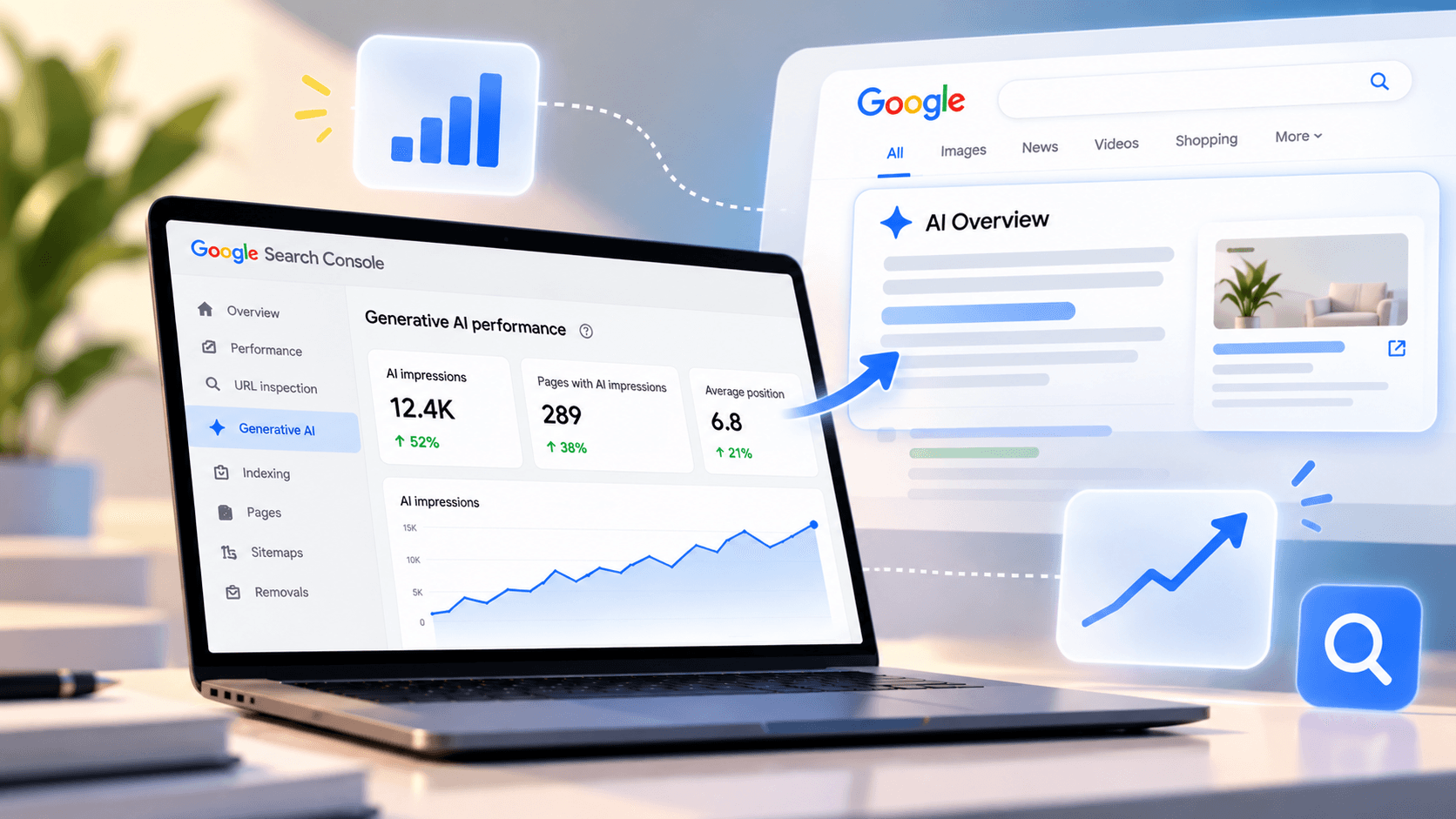
Search Console tells you how often links to your site were shown in AI Overviews and AI Mode, and which pages earned those impressions. Google rolled the generative AI performance report out to all websites worldwide by 31 August 2026.
According to Google's help page for the report, you can group the data by page, country, date and device. Set the country to Singapore and you can see whether local searchers are the ones seeing you.
The report is narrower than it first looks. It counts impressions only. It reports AI Overviews and AI Mode together. And it has no query dimension, so it will not tell you which searches put you in an AI answer, who else was cited, or what the answer said about you. That gap is the reason paid trackers exist. Our guide to tracking AI Overviews with Search Console walks through the free method step by step.
What is the difference between keyword trackers and prompt trackers?
A keyword tracker checks the Google results page for a fixed list of keywords. A prompt tracker asks AI tools full questions and records the answers. They answer different questions, and most businesses only need one of them to start.
Keyword trackers grew out of rank tracking. You give them "accounting firm Singapore" and they report, day by day, whether an AI Overview appeared, whether your site was one of its sources, and which competitors were cited alongside you. That fits AI Overviews well, because AI Overviews sit on top of ordinary searches.
Prompt trackers grew out of brand monitoring. You give them "Which accounting firms in Singapore are good for small companies?" and they record the full answer from AI Mode, ChatGPT or Gemini, with mentions, citations and sometimes sentiment. That fits AI Mode and chatbots better, because people type longer questions there. Google said in October 2026 that AI Mode queries are, on average, three times longer than traditional searches.
Which SEO tools track Google AI Overviews?
SE Ranking, Semrush and Ahrefs all track AI Overviews inside their main SEO platforms. If you already pay for one of them, check what your plan includes before you buy anything else.
SE Ranking
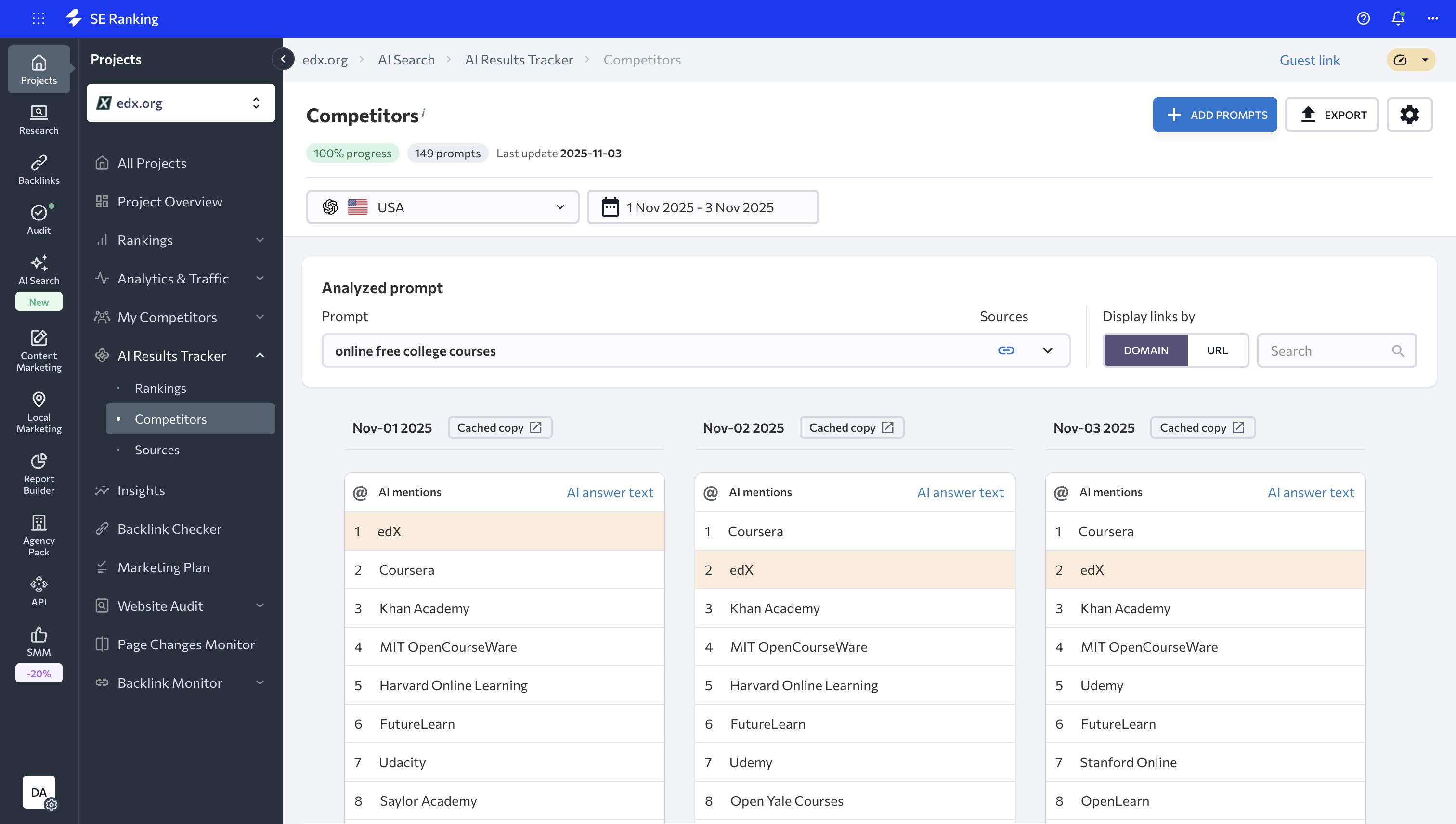
SE Ranking's AI Overviews Tracker shows, day by day, whether your keywords trigger an AI Overview and where your site sits among its sources. It also saves cached copies of the results pages, so you can see what the overview said. A separate AI Mode Tracker logs mentions and links in AI Mode answers.
On its pricing page, the Core plan costs US$129 a month, or US$103.20 a month billed annually. It includes 2,000 keywords tracked daily and AI visibility tracking for 25 prompts a day across five AI engines. The 14-day free trial includes 750 keywords and 20 prompts a day. A free check on the tracker page lets you test five keywords a day.
Semrush
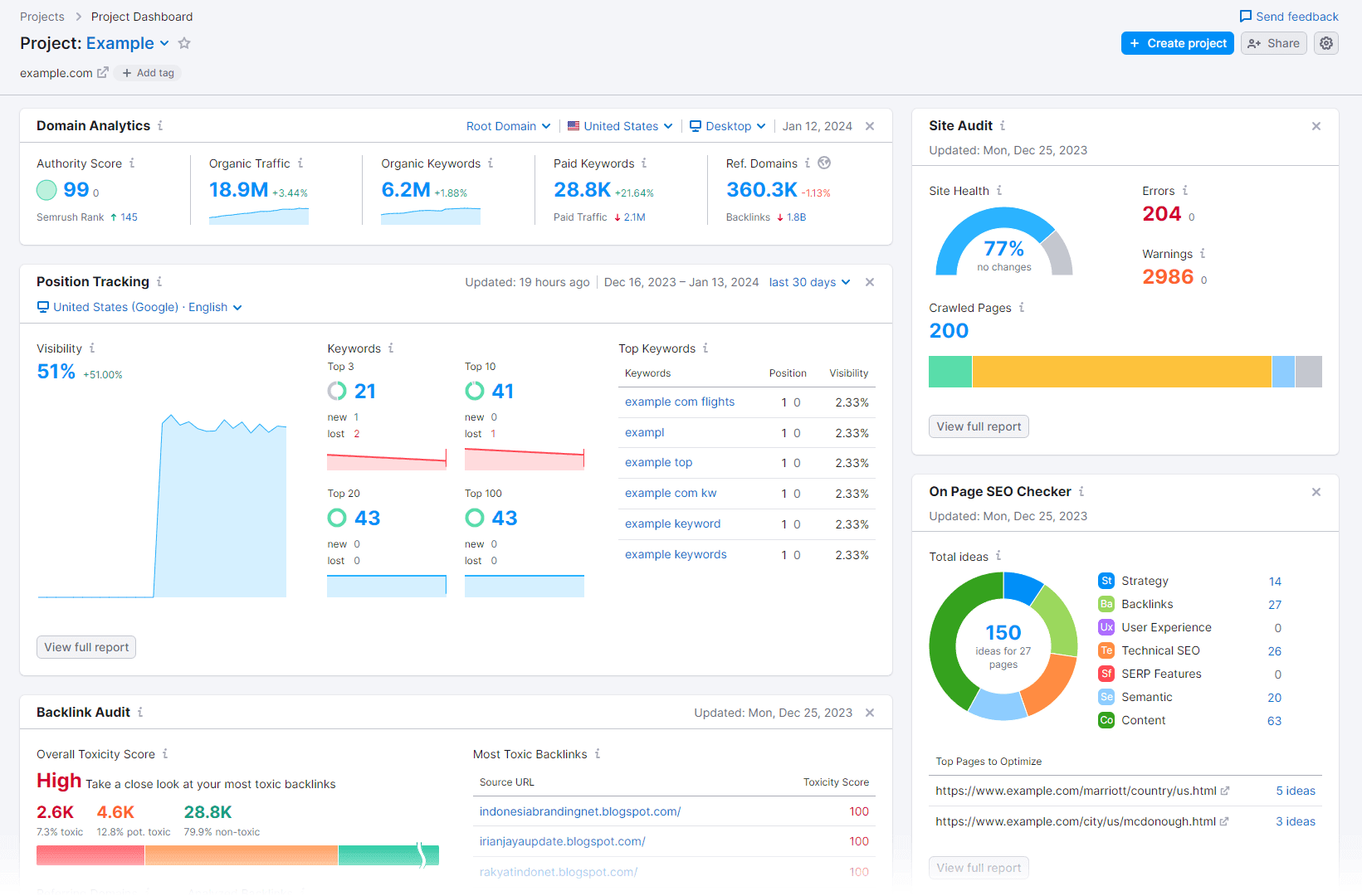
Semrush tracks AI Overviews as a search feature in Position Tracking. Its help page on AI Overviews says that when your domain is cited in an AI Overview, Position Tracking records it as a number one ranking, whatever your position in the ordinary results below. A toggle shows your rankings with or without AI Overviews counted.
AI Mode works differently. Position Tracking can track ChatGPT Search and Google AI Mode, but those prompts need an AI Visibility Toolkit or Semrush One subscription. On the Semrush pricing page, the SEO plan is US$139 a month for 500 tracked keywords. The Starter SEO + AI Search plan is US$199 a month and adds 50 prompts tracked daily. Both are cheaper billed annually.
Read Semrush's AI Overview figures with care. A number one ranking in its reports can mean "cited in the overview" rather than "top organic result".
Ahrefs Brand Radar
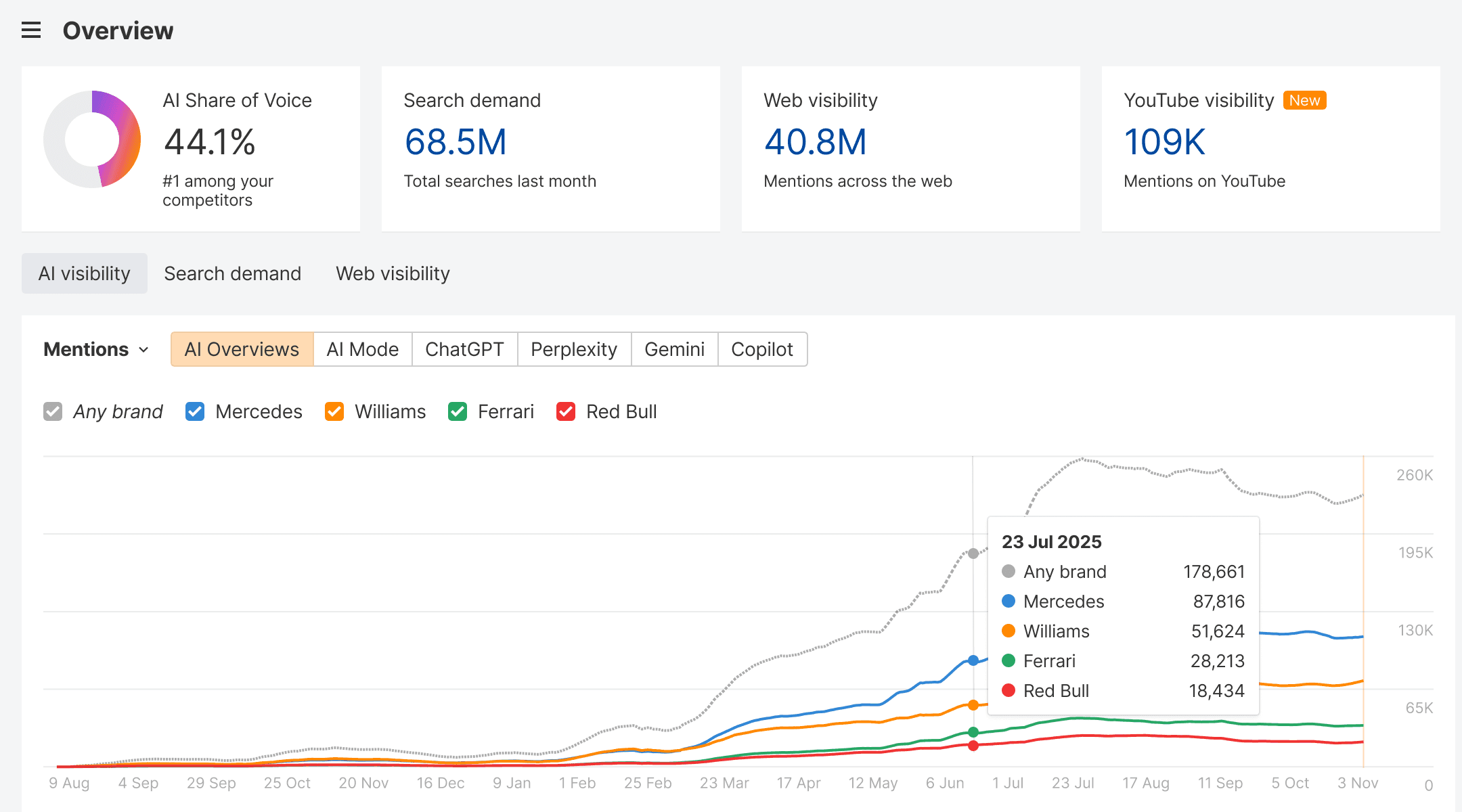
Ahrefs Brand Radar takes a different approach. Rather than waiting for your own tracking to build up, it holds a pre-built index of AI answers. Ahrefs says the index covers more than 551 million prompts across AI Overviews, AI Mode, ChatGPT, Perplexity, Gemini and Copilot, plus a separate index of Google searches that trigger AI Overviews or AI Mode. You can look up any brand, including competitors, with historical answers back to 2025.
The trade-off is freshness. Ahrefs says the index's question sets are re-tested monthly on a 90-day reporting window. For daily data you add your own custom prompts. Every paid Ahrefs plan includes a small daily quota, starting with five prompts on Lite, which the Ahrefs pricing page lists at US$129 a month. The AI Visibility Index starts at US$199 a month. Ahrefs also says the index works best for brands that already have search demand, so a young Singapore SME may find little data about itself there.
Which AI visibility tools cover AI Overviews and AI Mode?
Peec AI, Otterly.AI and Profound are built around prompts rather than keywords, and all three include Google's AI Overviews. Peec AI and Otterly.AI also include AI Mode on their self-serve plans. Profound includes it on Enterprise.
Peec AI
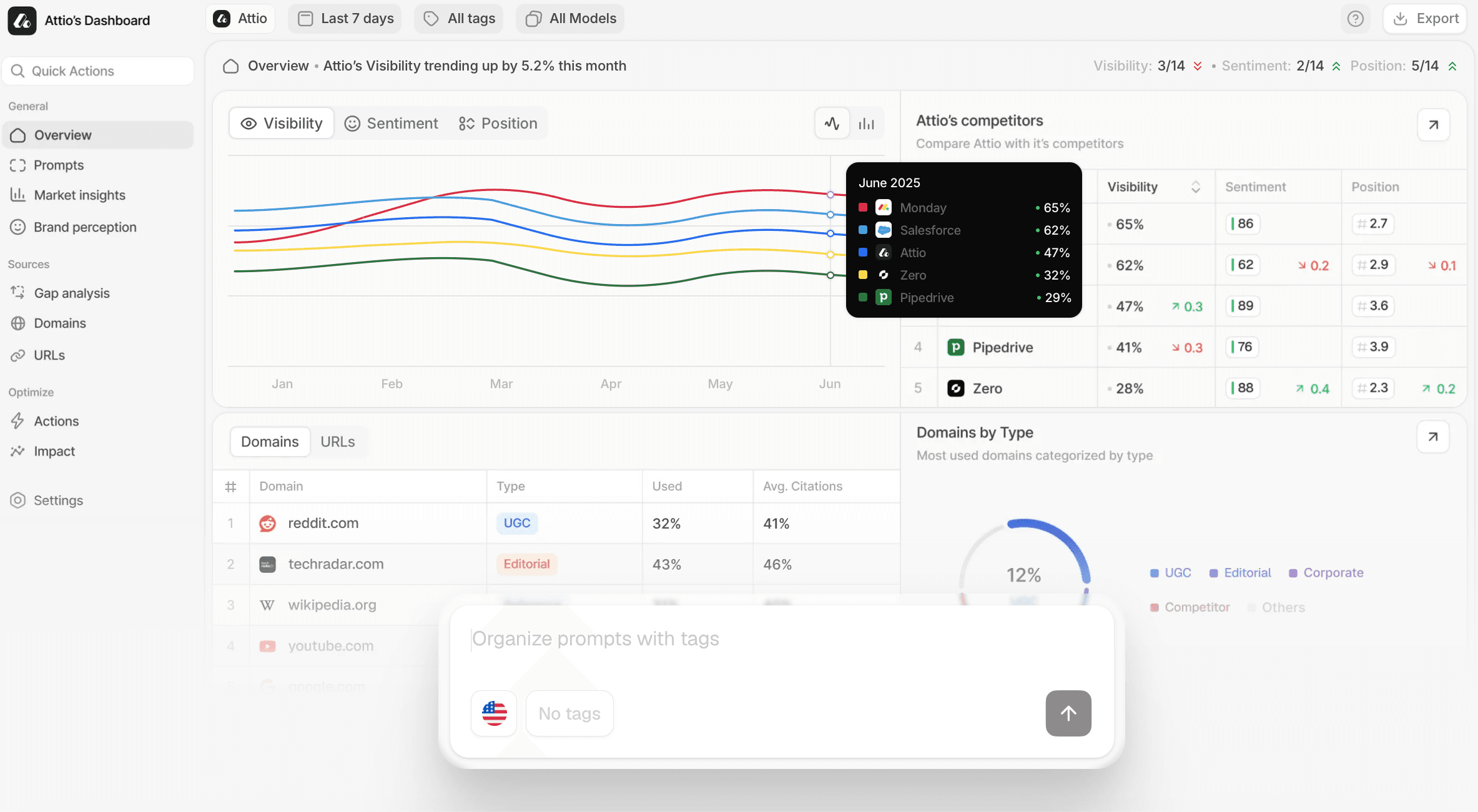
Peec AI's Starter plan costs US$95 a month for 50 prompts tracked daily on three models of your choice. The choice includes ChatGPT, AI Mode, AI Overviews, Microsoft Copilot, Gemini and Naver AI. Starter covers one country, so set it to Singapore. Peec offers 15% off for annual billing, and you can add extra models for an additional fee.
Otterly.AI
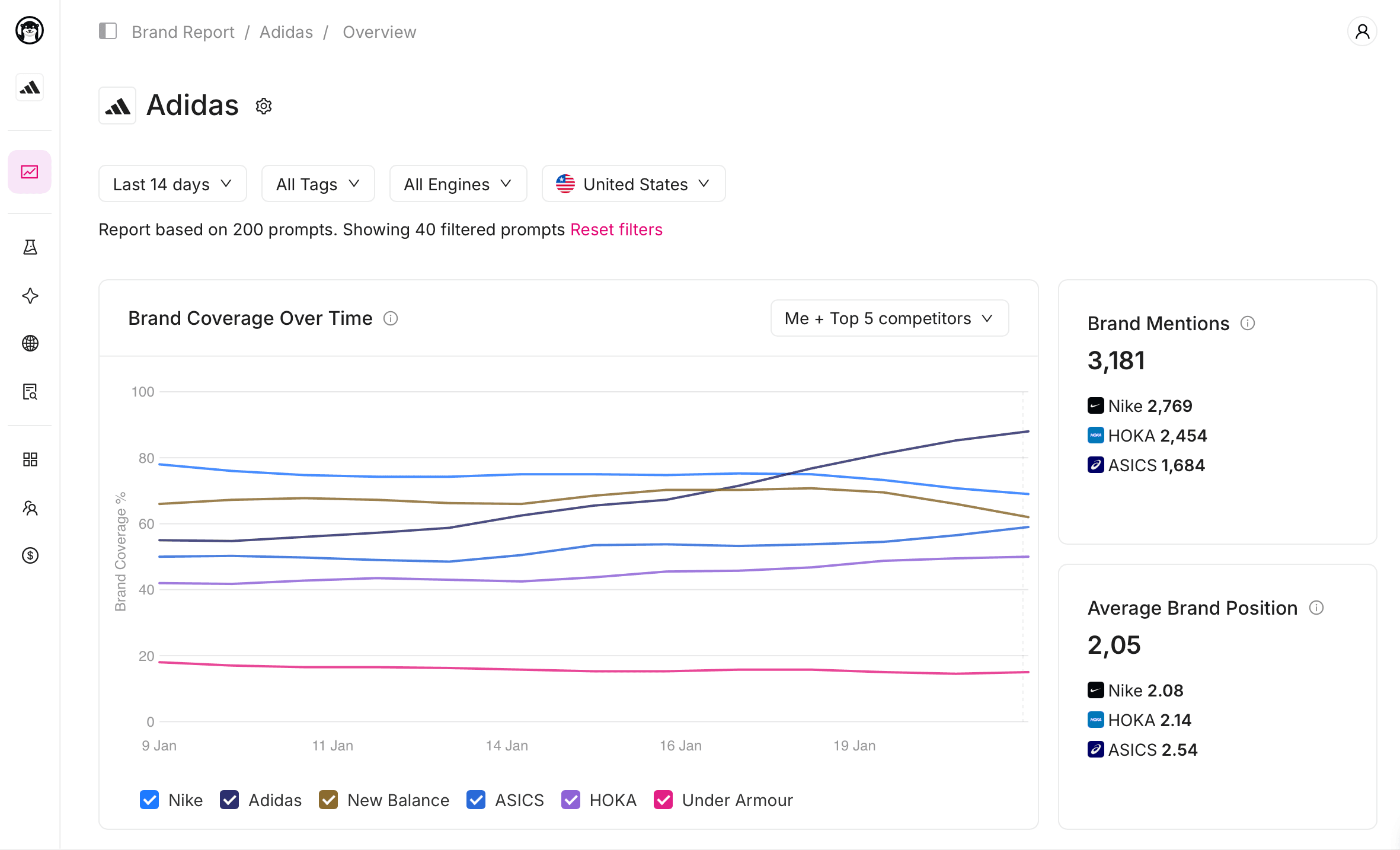
Otterly.AI's Lite plan costs €29 a month for 16 prompts tracked daily on four of its seven engines, which include AI Overviews and AI Mode. Its pricing is built on credits. One credit is one prompt checked once on one engine, so a prompt tracked daily on one engine uses 31 credits a month. The Standard plan, at €189 a month, raises that to 120 prompts and adds API access.
Profound
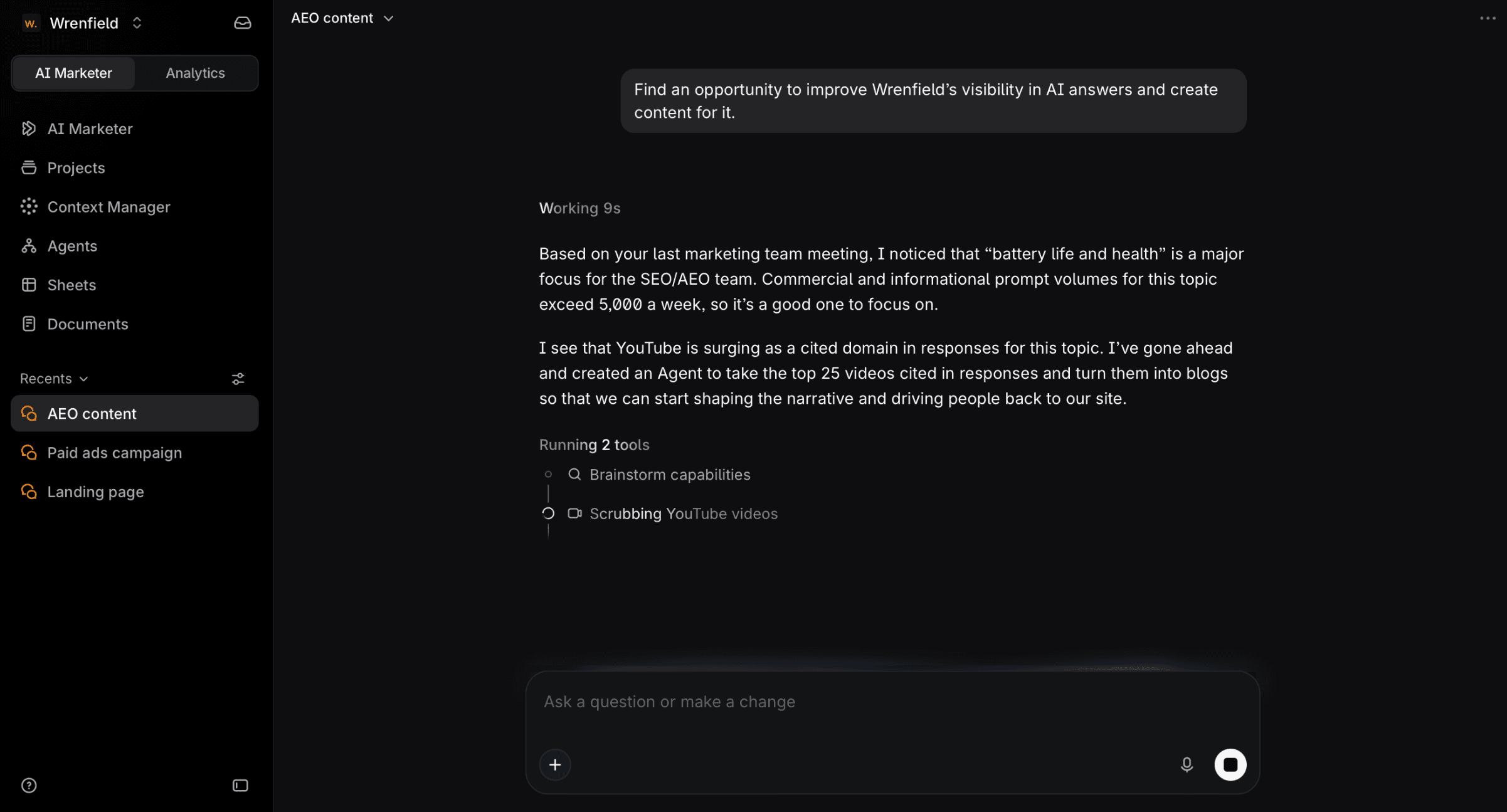
Profound is aimed at large brands. Its free trial runs 50 prompts daily for seven days on ChatGPT, Gemini and AI Overviews, but trial users get a recommended prompt set and cannot write their own. Enterprise, priced on request, covers up to nine answer engines, including AI Mode. For most Singapore SMEs, it is likely to be more tool than the budget justifies.
What should Singapore businesses check before paying for a tracker?
Check four things: that the tool can track Singapore results, what you will actually pay in Singapore dollars, how many prompts or keywords you really need, and how the vendor collects its data.
- Location. AI answers change by country. Google's AI Mode help page lists Singapore among the countries where AI Mode is available. Confirm in the free trial that you can set Singapore as the tracking location and that results come back for it.
- Currency and GST. Every price above is in US dollars or euros, and Otterly.AI's prices exclude tax. IRAS says that if you are not GST-registered and buy remote services, including software, from a GST-registered overseas provider, you pay GST at 9%. Budget for the exchange rate and the tax.
- Volume. A tool's entry plan may cover 16 prompts or 2,000 keywords. Work out how many questions your customers actually ask before you compare prices.
- Data collection. Keyword trackers read Google results pages automatically. Since September 2026, some automated checks have received poisoned SERPs, results pages that differ from what real users see. If a tracker shows a sudden drop in AI Overview citations, check Search Console before you act on it.
For example, when tracking the query “best accounting firms in Singapore". Semrush might record a business appearing in Google's AI Overview on 12 October 2026, while Ahrefs shows no AI Overview mention for the same query that day. A manual check could reveal that Google displayed different AI-generated answers between the two checks. This can happen because AI Overviews are dynamic and may vary by location, timing and search context. At Plexial, we cross-check Semrush, Ahrefs and our proprietary tracking tool before treating a single appearance or disappearance as a meaningful visibility change.
How many prompts or keywords should you track?
Track enough questions to cover each product or service you sell, and expect AI answers to vary from day to day. A handful of prompts will show swings that mean nothing.
Otterly.AI, which sells prompt tracking, recommends 50 to 100 prompts per topic or market. In its own stability study, tracking 100 prompts daily for 30 days cut the variation in brand coverage by about 73% compared with tracking 10. That is a vendor's figure, but the principle holds. Single AI answers are noisy, and trends only show up across a larger set.
For keyword trackers, start with the searches that already bring you enquiries. Search Console's performance report shows those queries. Then add the questions customers ask on sales calls.
For a typical Singapore SME, Plexial recommends tracking around 30–50 Google search keywords and 20–30 AI search prompts, depending on the business's services, industry and competition. Google keyword tracking focuses on search rankings and visibility, while AI prompt tracking monitors how often a business is mentioned or recommended in AI-generated responses. We recommend reviewing performance weekly and providing clients with a monthly report covering ranking changes, AI visibility trends, competitor comparisons and opportunities for improvement.
Frequently asked questions
Is there a free AI Overview tracker?
Yes. Google Search Console's generative AI performance report is free and shows impressions in AI Overviews and AI Mode for every page on your site. SE Ranking also offers five free keyword checks a day on its AI Overviews Tracker page.
Can Search Console show which searches trigger AI Overviews for my site?
No. The generative AI performance report groups data by page, country, date and device only. To see the searches or prompts behind your AI visibility, you need a third-party tracker.
Do AI Overview trackers also track AI Mode?
Many do. SE Ranking has a separate AI Mode Tracker. Semrush, Ahrefs, Peec AI and Otterly.AI include AI Mode, and Profound includes it on Enterprise. Search Console reports AI Overviews and AI Mode together.
How accurate are AI Overview trackers?
They are good at spotting trends but weak as a single reading. AI answers vary by location, timing and wording, and automated checks can be served unusual results pages. Compare their trends with Search Console before you change anything.
Does a small Singapore business need a paid tracker?
Not at first. Search Console covers the basics for free. A paid tracker becomes worth it when you need to know which questions mention you, how competitors compare, or how you appear in ChatGPT as well as Google.
Where to start
Open Search Console this week. Filter the generative AI report to Singapore and note which pages earn impressions. Then write down the 20 questions your customers ask most, and run them through one free trial. Within a month you will know whether you need a paid tool, and which kind. If the numbers come back thin, the fix is content and authority, not software. Our guide to AI search optimisation for Singapore businesses covers where to begin.
Plexial tracks AI visibility for clients as part of our GEO and AEO work, alongside the rankings work in our SEO service. To see where your business stands now, book a free search visibility assessment.
Written by
Jae Tan
Jae shares insights on technology, digital innovation, and business trends, helping businesses navigate change and uncover new opportunities.